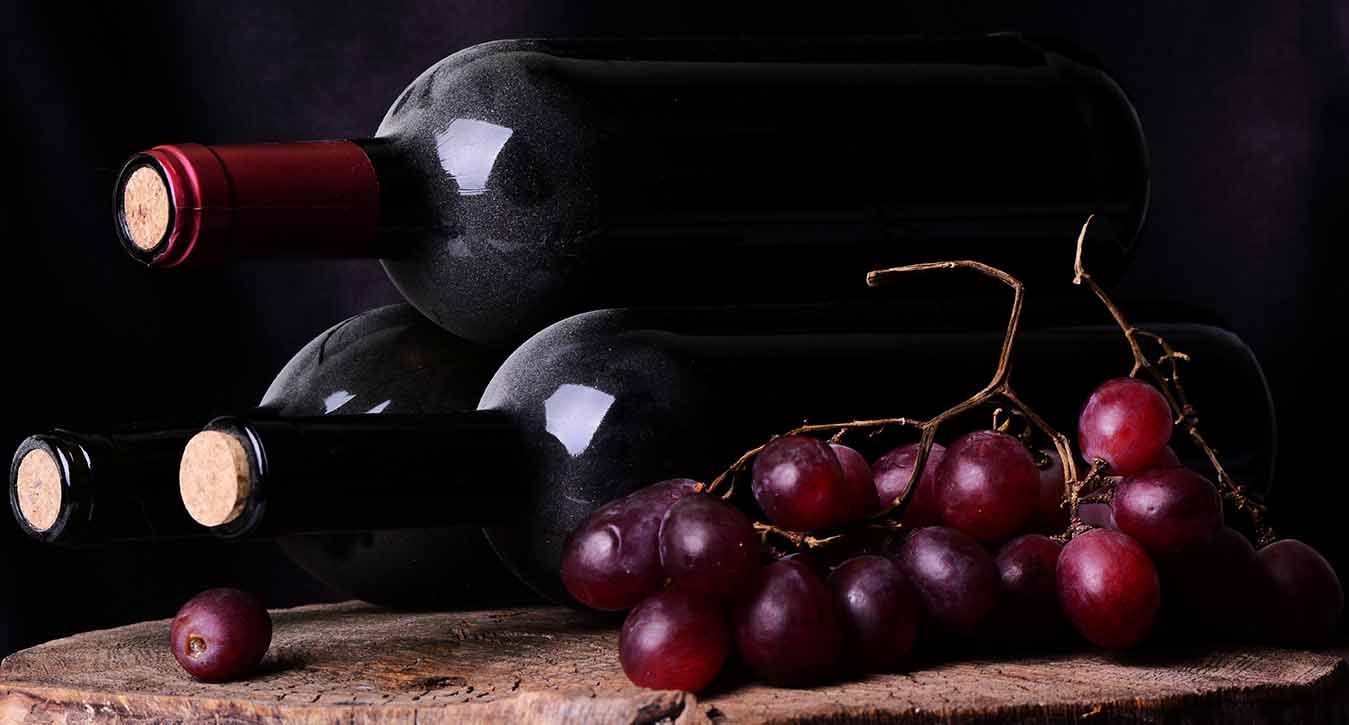






I recently bought two Bordeaux First Growths – a Mouton and a Margaux – vintages that correspond with the birth years of my kiddos. I hope to pop out the sacred liquids on their 21st birthdays (And why not their 18th, some asked. Well, I thought I’d spend about 3 years educating them about wine first).
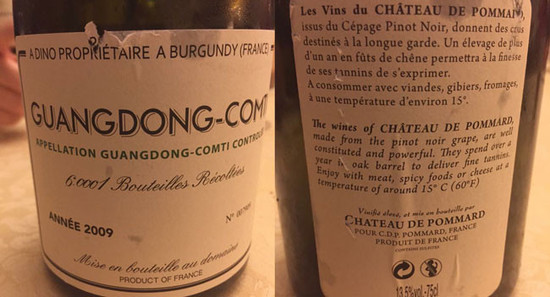
So shelling out the big bucks is one thing but ensuring you’re getting what you paid for is another. You certainly don’t want to be unknowingly saddled with insidious ‘two-buck-chuck’. How the wine eventually tastes is beside the point.
So I came across this interesting site on Maureen Downey, one of the world’s foremost experts in counterfeit wine. She runs her own consultancy as well, Chai Consulting, whose business model inspired me to do the same with Vitis Concierge BTW. I digress.
Now, I don’t expect many people to be buying cases of 20 year old Petrus and Granges every week. Nor do I expect the common man to be able to implement the fake wine detection techniques described here. So short of peeling off labels and examining corks or sending it off to an expert charging more an hour than what your wine costs, what are some of the common sense methods to adopt before splurging?
1) Buy from a reputable retailer, preferably one that has a brick and mortar store in the city you’re in. And do check you have recourse via consumer protection laws and agencies.
2) Do try to buy more recent vintages. 1940s and 1950s are definitely going to be at high risk of counterfeiting. I’m really taking about 2009 and later where bottles come with QR codes, hologramme stickers and tamper-proof seals.
3) If the price is too good to be true … its too good to be true.
4) Of course, if you’re still feeling uncomfortable, engage a local wine consultant, like Vitis Concierge, to follow up on some basic research. It’s not going to be full-proof but with connectivity and information available nowadays, a second opinion certainly helps.